
Why Corporate Brands Require a System, Not Just a Logo: The Strategic Path to Scaling Corporate Identity
A logo is a flag, not a foundation. Here is why corporate brands that scale treat identity as infrastructure, not a one-off mark.

Strategy. Design. Development.
Branding and websites for ambitious businesses.
From Nairobi to the world.
Digital marketing that connects to sales.
Your goals. Our craft. Real results.
Strategy. Design. Development.
Branding and websites for ambitious businesses.
From Nairobi to the world.
Digital marketing that connects to sales.
Your goals. Our craft. Real results.
106 Articles
Practical writing on branding, websites, search, AI, and growth from Simeon Creatives. Pick a content hub below, or browse everything.
A logo is a flag, not a foundation. Here is why corporate brands that scale treat identity as infrastructure, not a one-off mark.

A feature list is how you describe the product. A messaging map is how a buyer describes the job. Five columns, one row per feature, and a rule for what gets cut.

Every line on your site is a claim. Some need nothing. Some need a receipt. Some should never be printed. A three-rung ladder that tells you which is which.
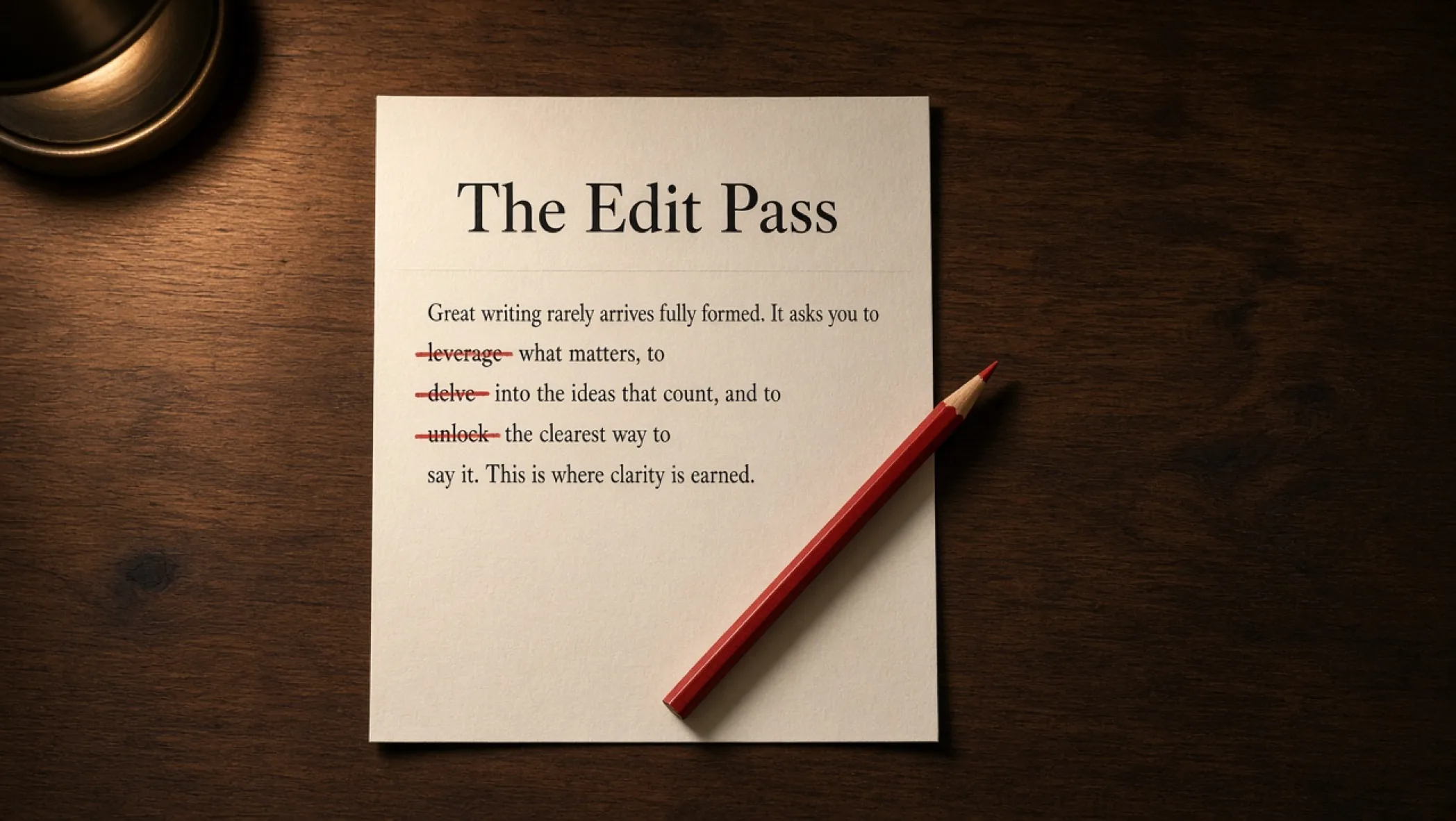
A draft that sounds like everyone is a draft that sounds like no one. A five-pass edit that swaps pattern for specifics, using a checklist you can run in thirty minutes.

Start from the jobs buyers hire for, list every alternative including doing nothing, score who covers each job, and claim only the gap you can prove.

Who, job, offer, proof, objections, channels, owner. Seven cells on one page that stop a launch from turning into twelve slightly different announcements.
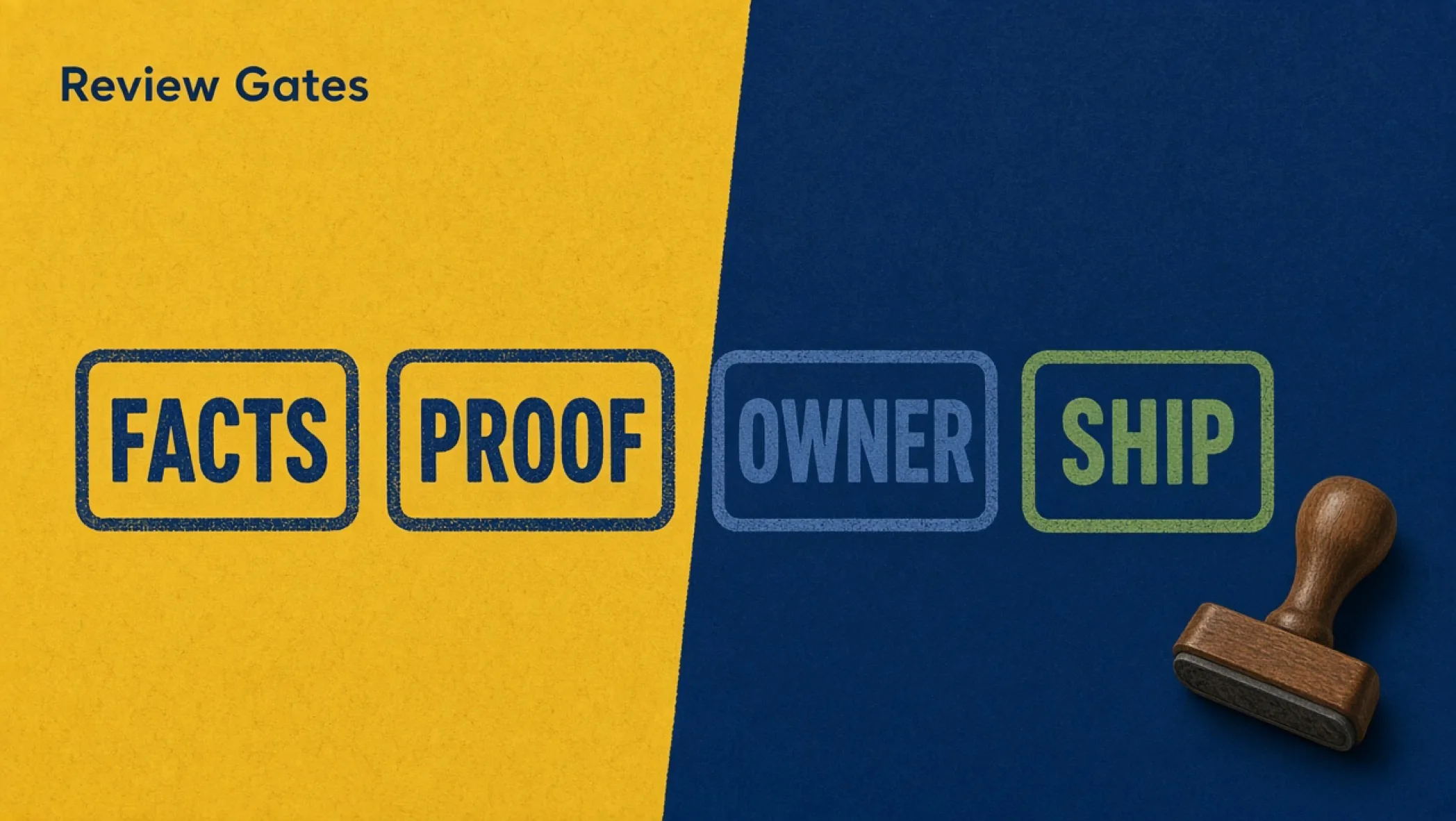
A model can hand you a clean draft in minutes. The risk is the decision after it: ship, fix, or kill. Four gates a human owns before any AI-assisted page goes live, with pass and fail rules.
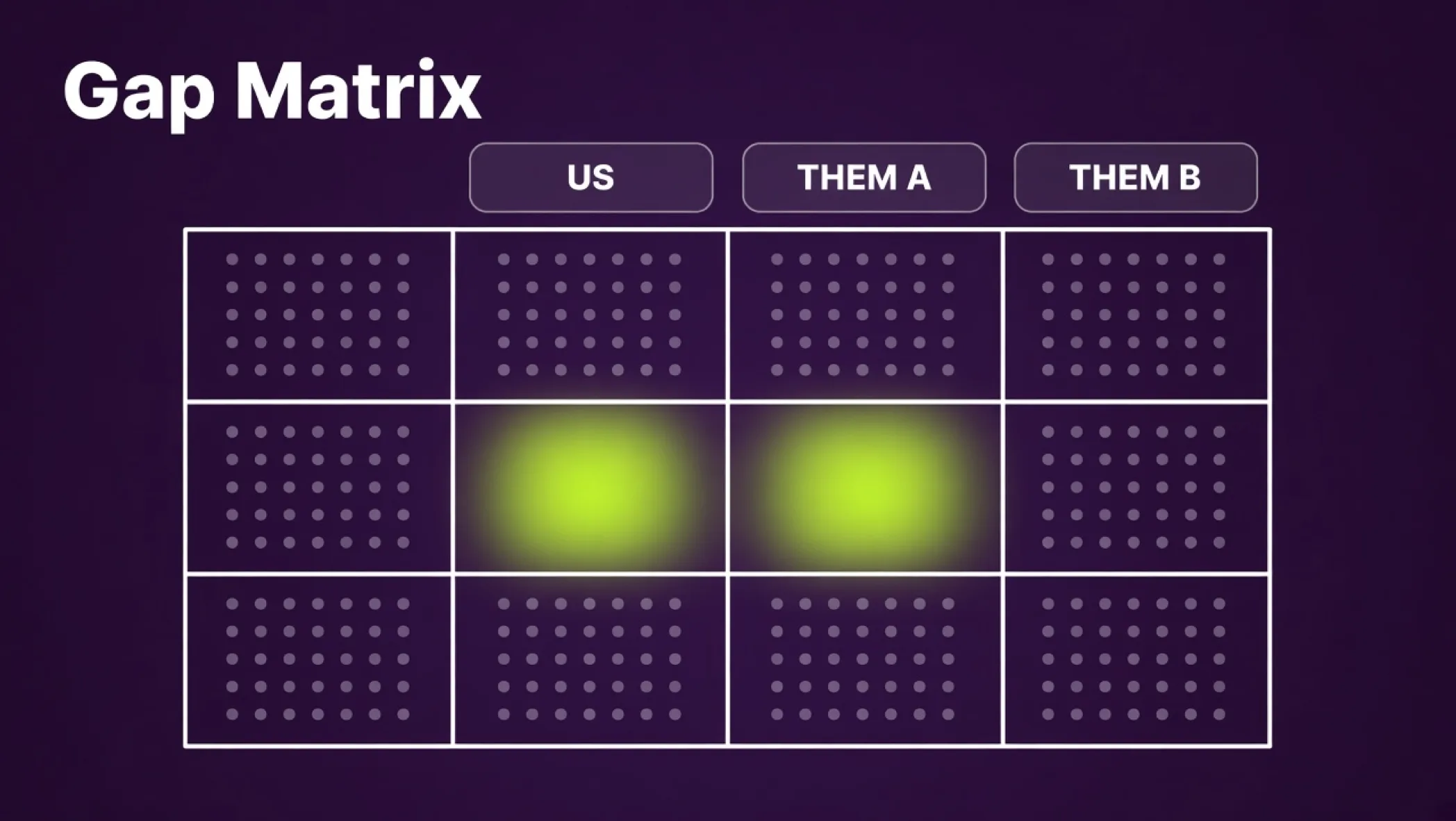
Open the first page of results, list what each page covers, and mark where you are silent. A matrix that separates table stakes from real differentiators, so you do not copy a rival outline.

The first thing a model does to a page is smooth it. Screenshots become “in our experience,” dated tests lose their dates, and the one detail only you had disappears. How to mark, protect, and verify the evidence that makes the page worth publishing.
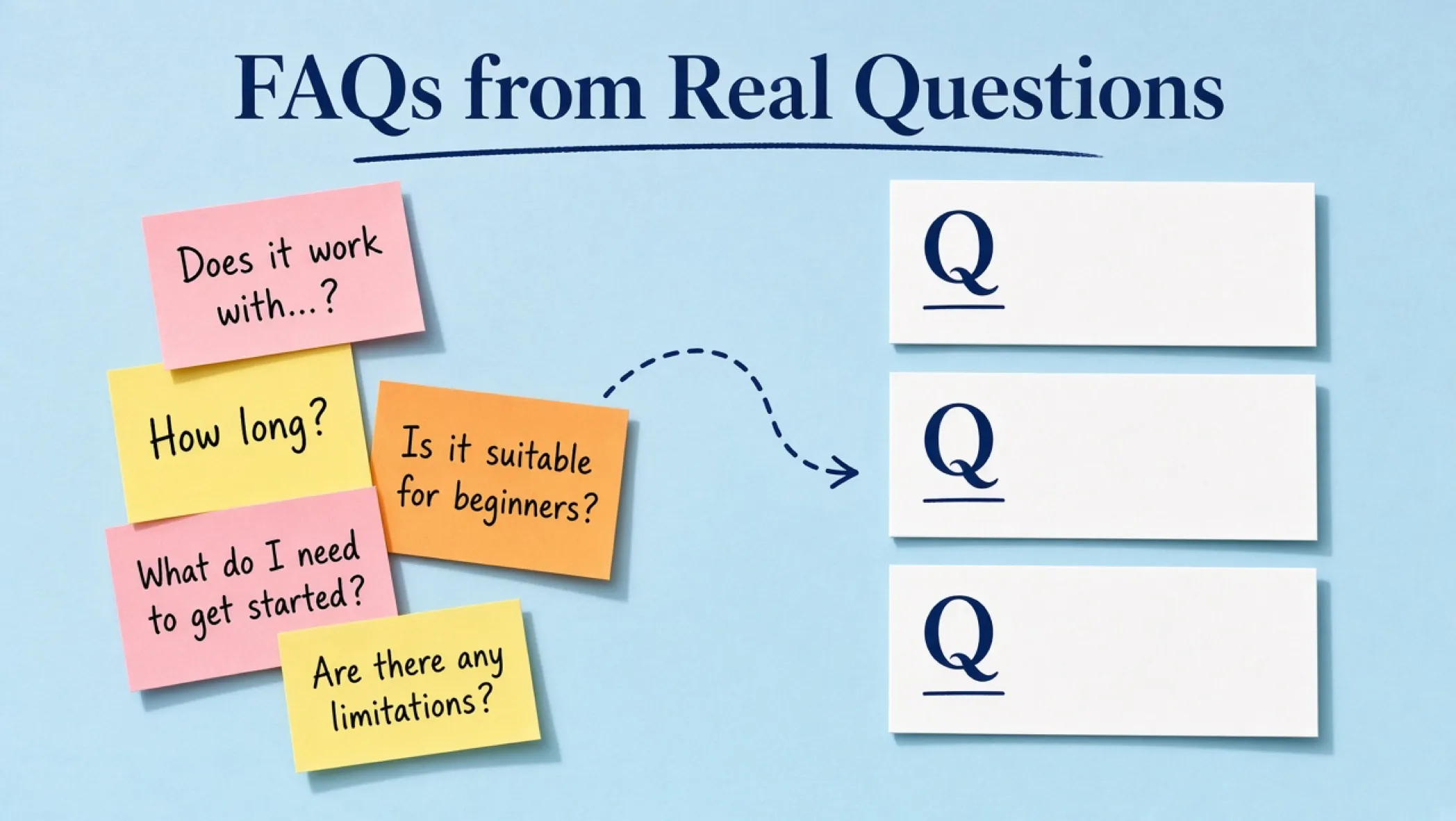
The best questions for a page are already in your inbox, your call notes, and your support tickets. How to collect them in the customer’s words, pick the ones worth publishing, and refuse to write an answer nobody can stand behind.
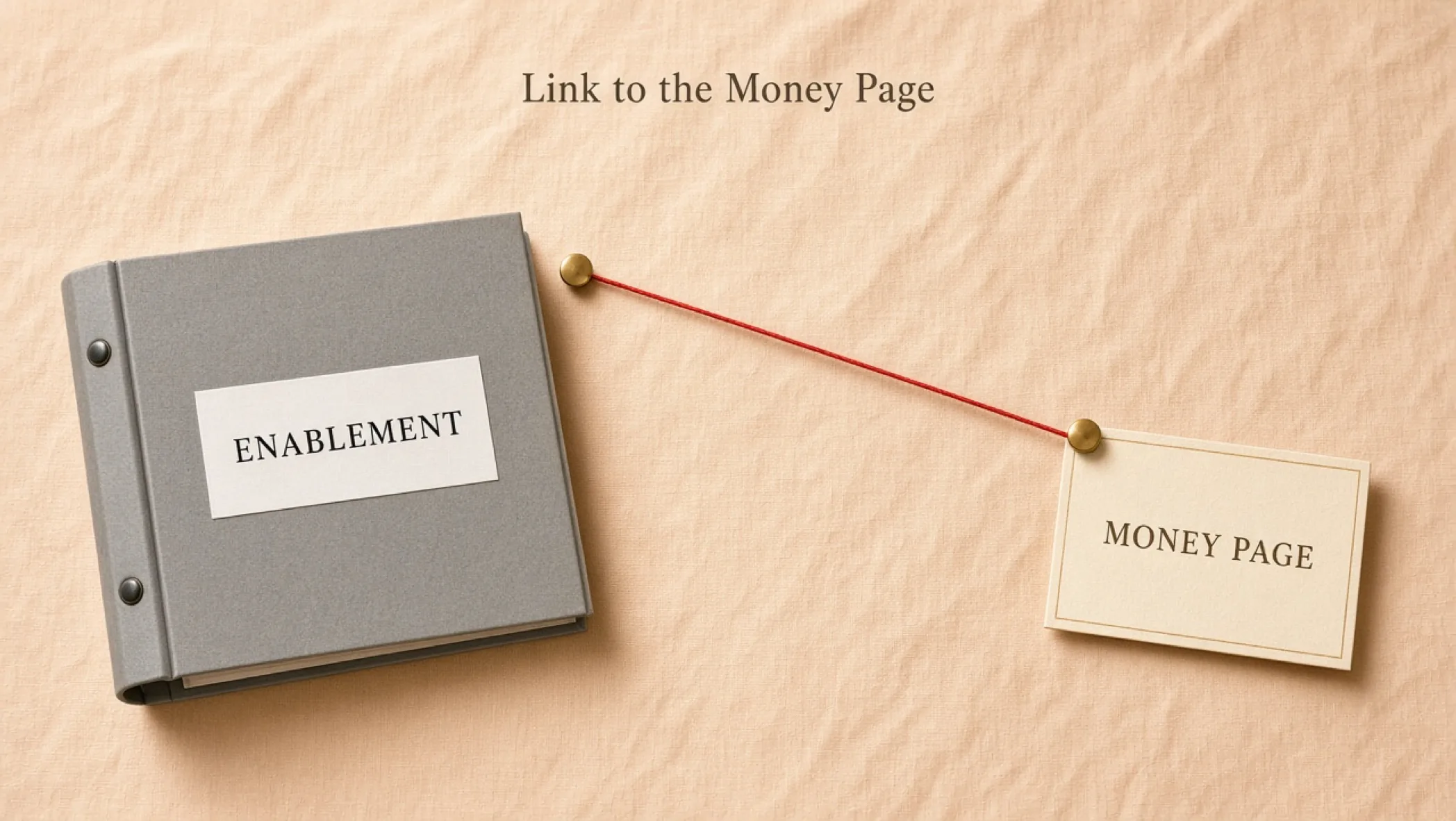
Your guides, templates, and case studies earn the reading. Your service and contact pages close the deal. A plain method for mapping each asset to one next step, writing anchors that say what is there, and checking the links are real.
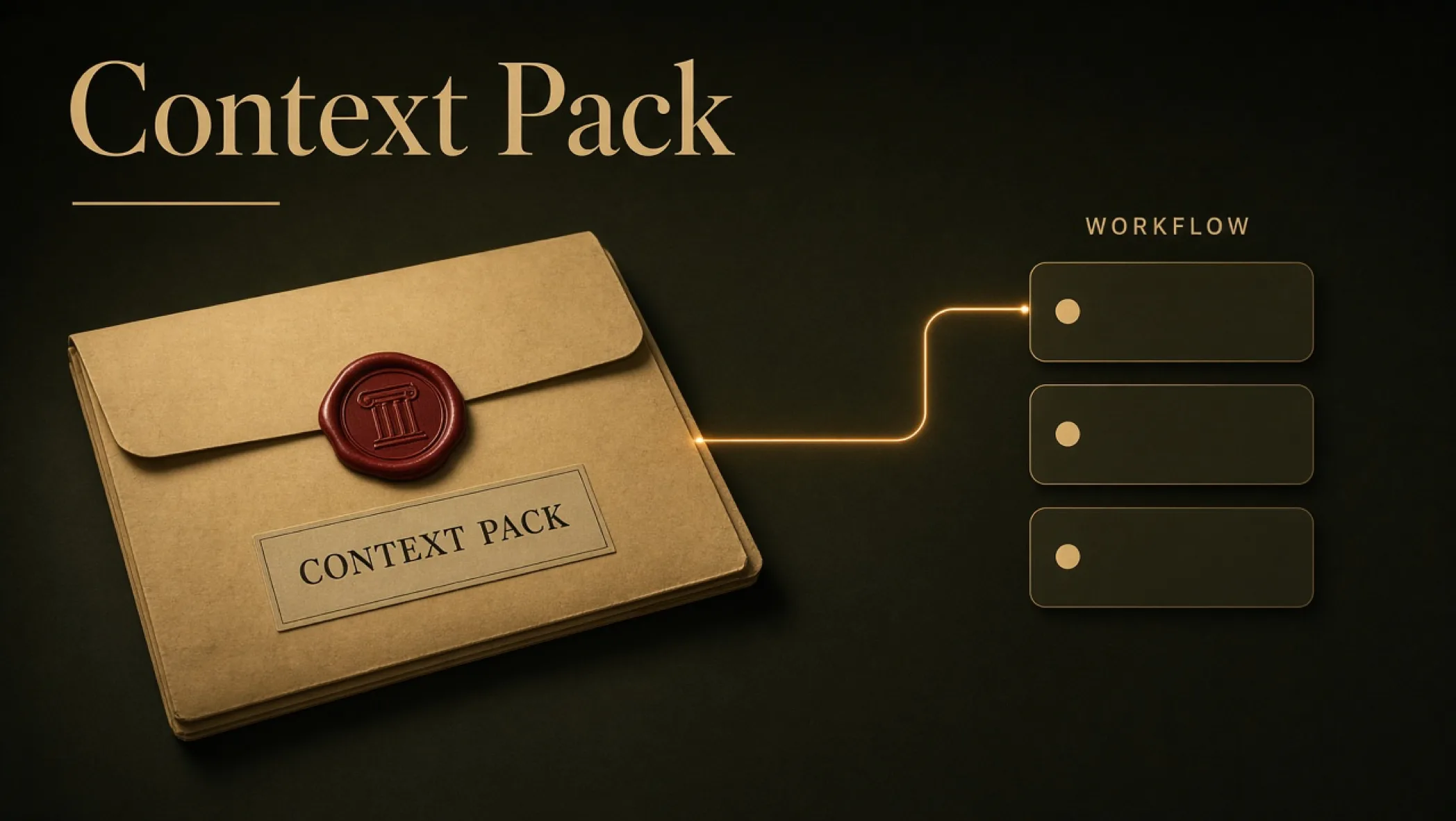
Every new prompt that starts with “you are a marketing expert” re-invents your positioning and forgets your limits. Write one context pack, version it, and let every workflow read the same approved facts.
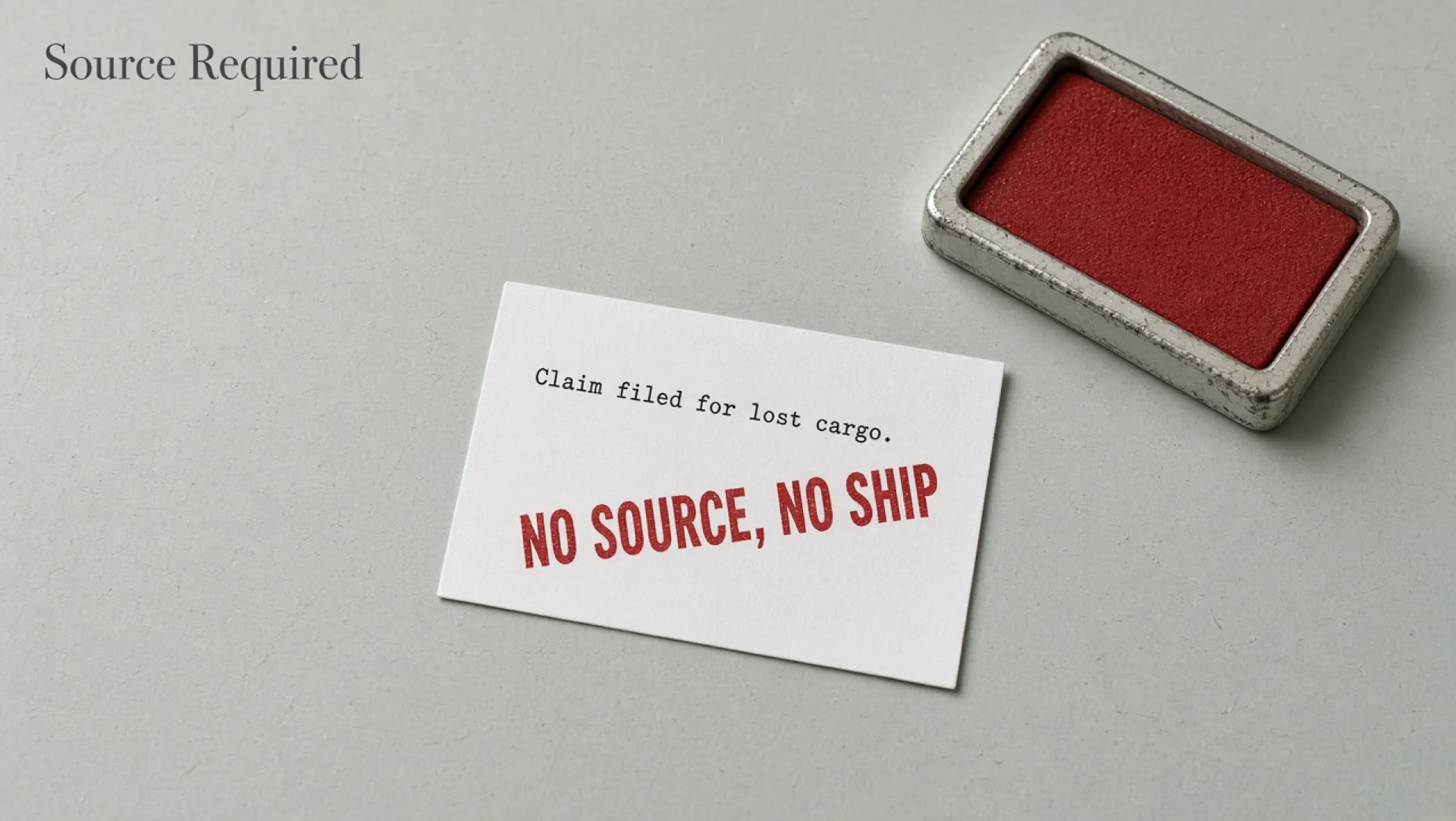
A research summary with no link is a rumor in a nice font. Make every claim carry a URL, a quote, and a retrieval date, validate that shape before a human sees it, and drop whatever cannot be sourced.

Most competitor tracking dies in a bookmarks folder. Build a small monitor that fetches a short list of public pages, diffs them with plain code, lets a language model describe the change, and parks every alert in a queue a person clears.
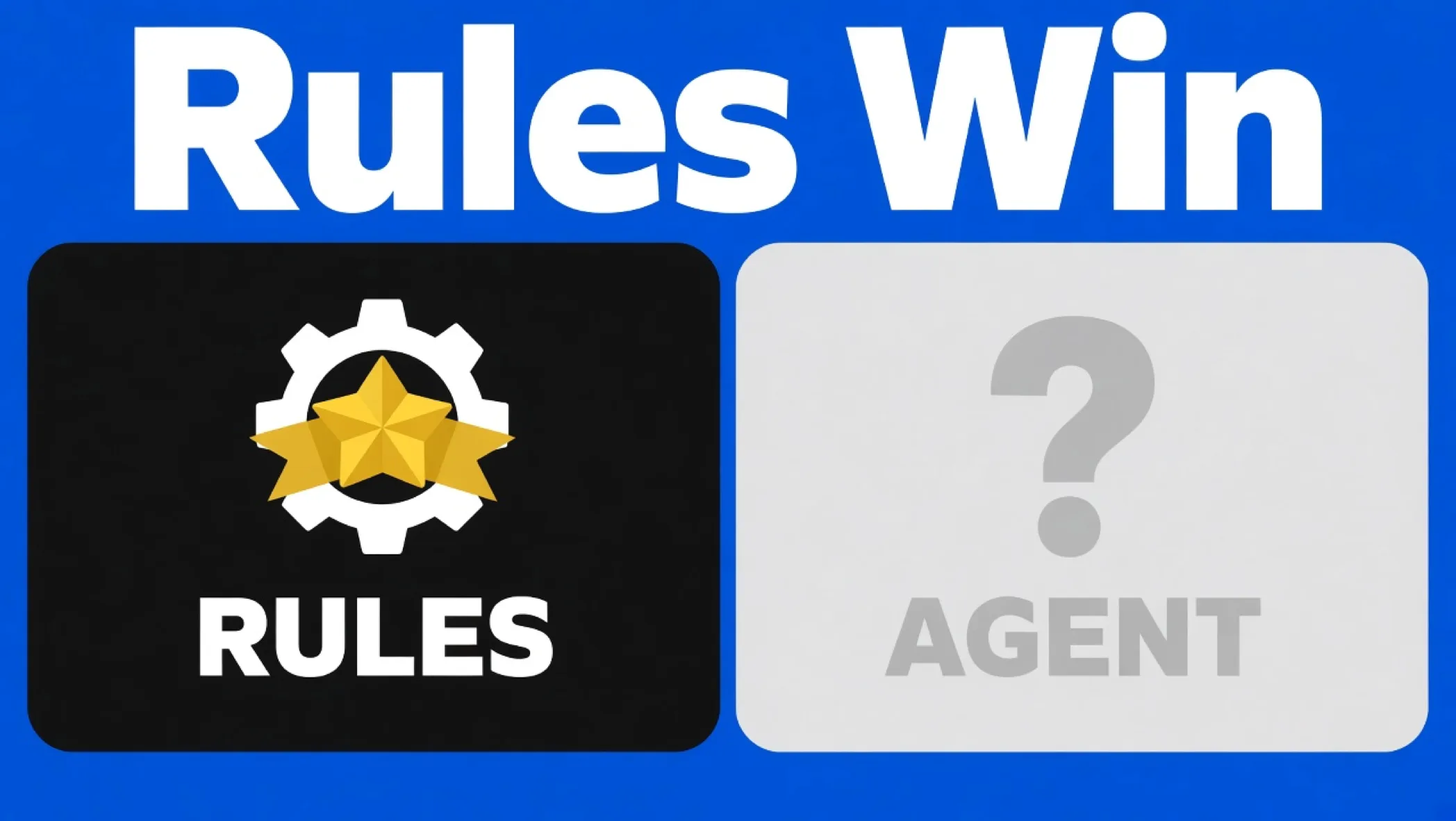
Lead routing, tracking tags, consent flags, send-time rules, and invoice copy all have a right answer. Put a score on each job before you hand any of them to a language model, and keep the model for the work that has no single correct output.
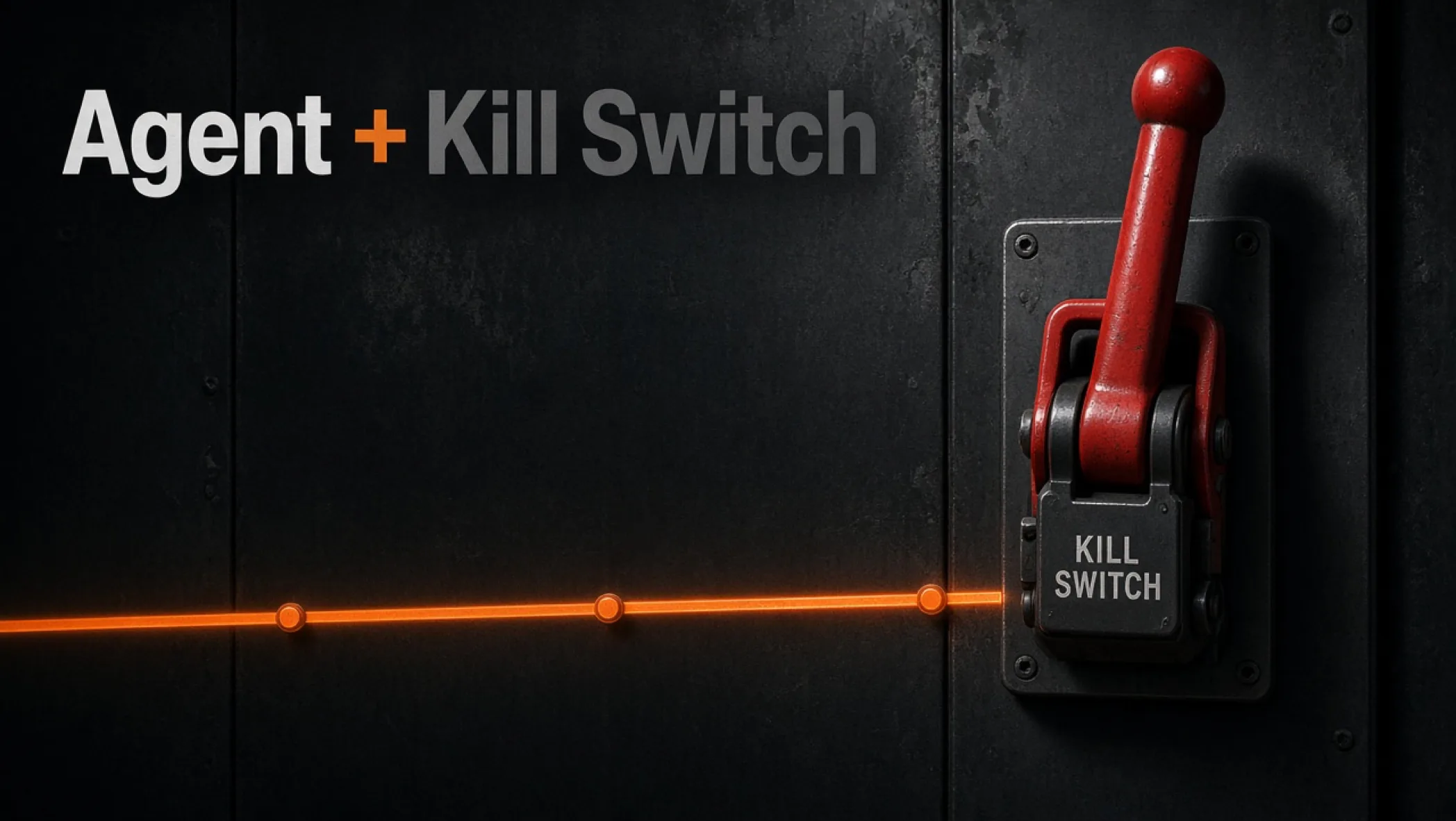
An agent that browses the web to research a competitor is the riskiest version of this job. If you still want one, fence it: read-only tools, a domain allowlist, hard budgets, a source requirement, a threat card, and a kill switch you can hit at lunch.
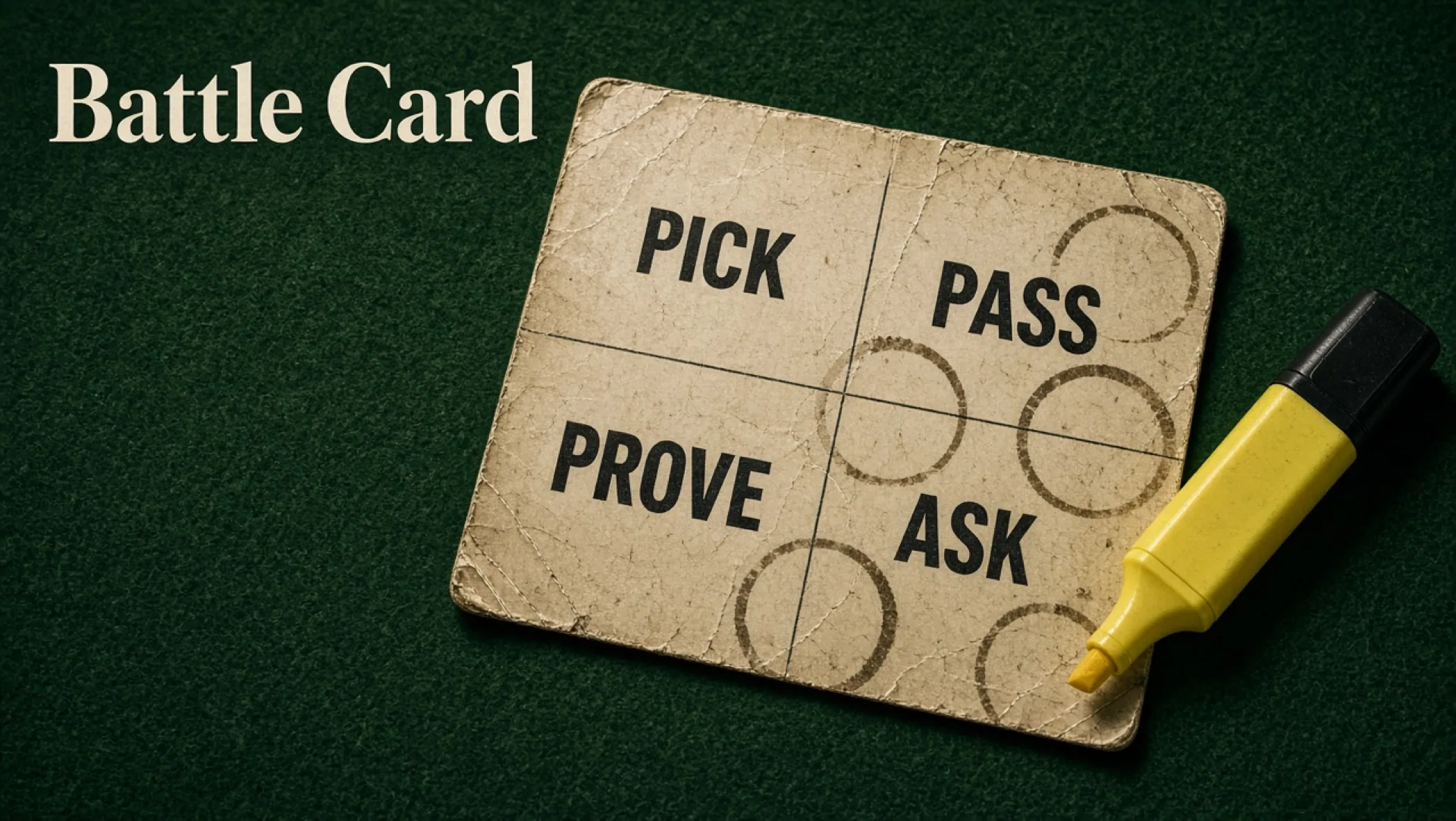
A battle card is one page about one alternative a buyer might pick instead of you. Write when they pick it, when you tell them to, what you can prove, and three questions. If it is not open on the call, cut it.

A launch for a service business is a dated decision to tell named people about one offer. Seven gates, each with an owner and a date, and a review you schedule before you announce anything.

The alternatives that cost you work are often the quiet ones: the referral studio, the freelancer, the in-house hire, doing nothing. Audit public pages with three honest labels, then find the question nobody answers.

Copy the buyer’s sentence exactly, classify it, ask a first question, write an honest reply, and mark when you concede. Built from win and loss notes, not from imagination.
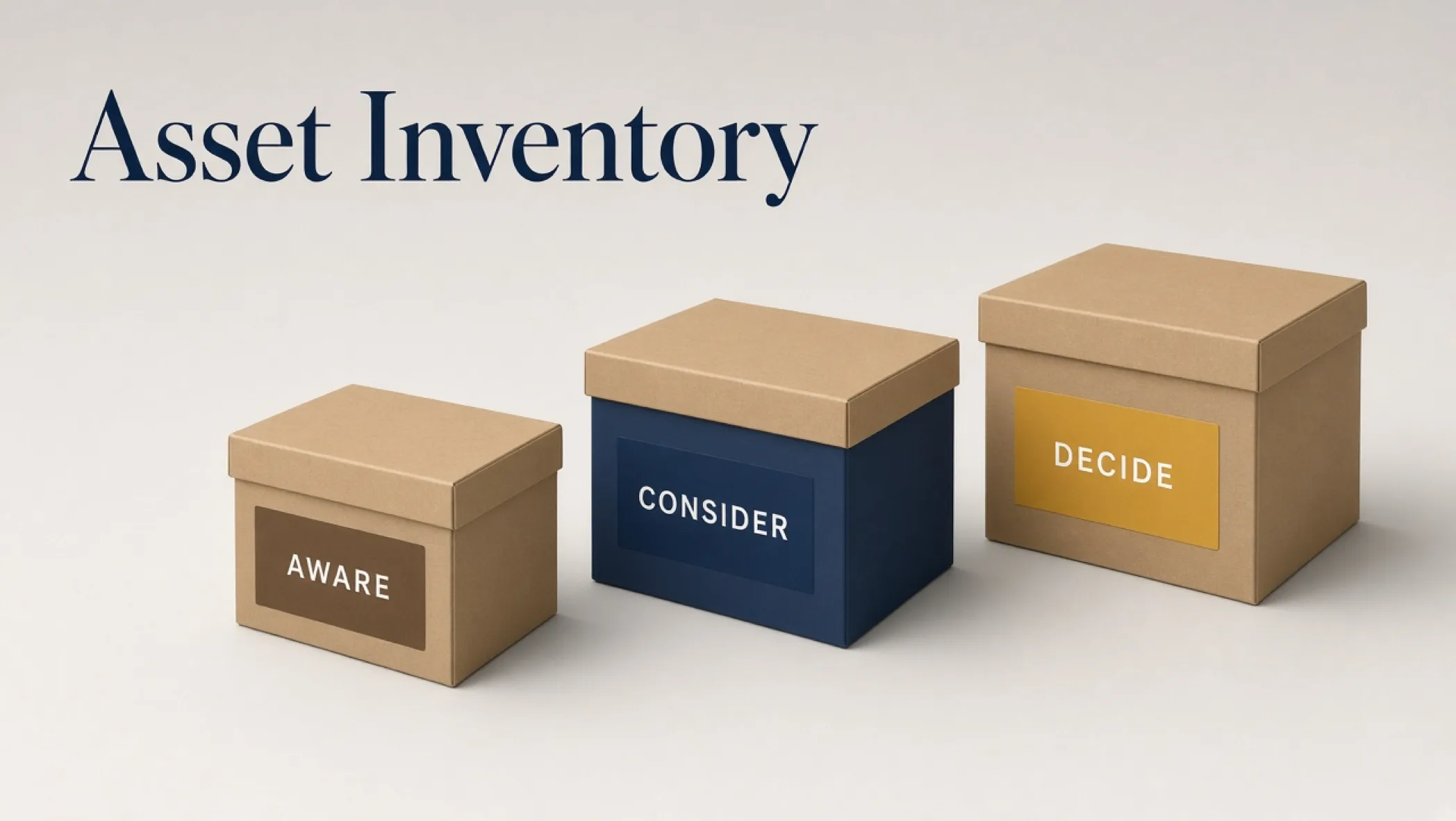
Outreach sends people to your pages, files, and replies. List every asset a buyer meets, mark it Current, Stale, Missing, or Contradicts, and fix the holes before you add volume.

A landing page that invents its own promise will not match the ad, email, or referral that sent the visitor. Turn your positioning into a one-page brief with eight fields before anyone opens a design file.

A claim and its proof should travel together in the content management system (CMS). Seven fields, one publish gate, and a review date stop a quote from being reworded, a number from being copied off a deck, and a claim from outliving its evidence.
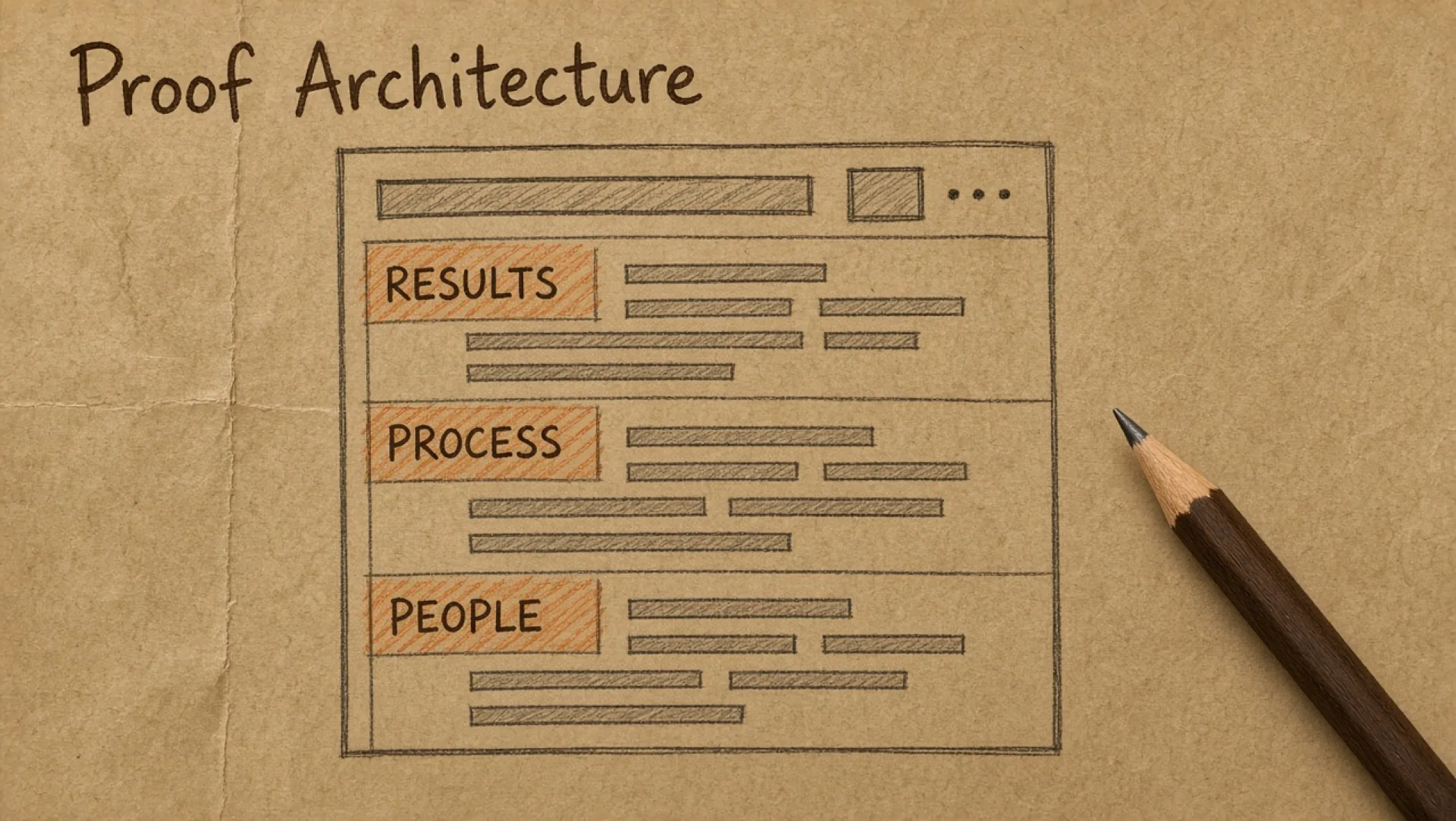
A testimonial band at the bottom of a service page is proof in the wrong place. Put evidence within one scroll of the claim it supports, in five positions, and keep a proof inventory so the page never leans on adjectives.
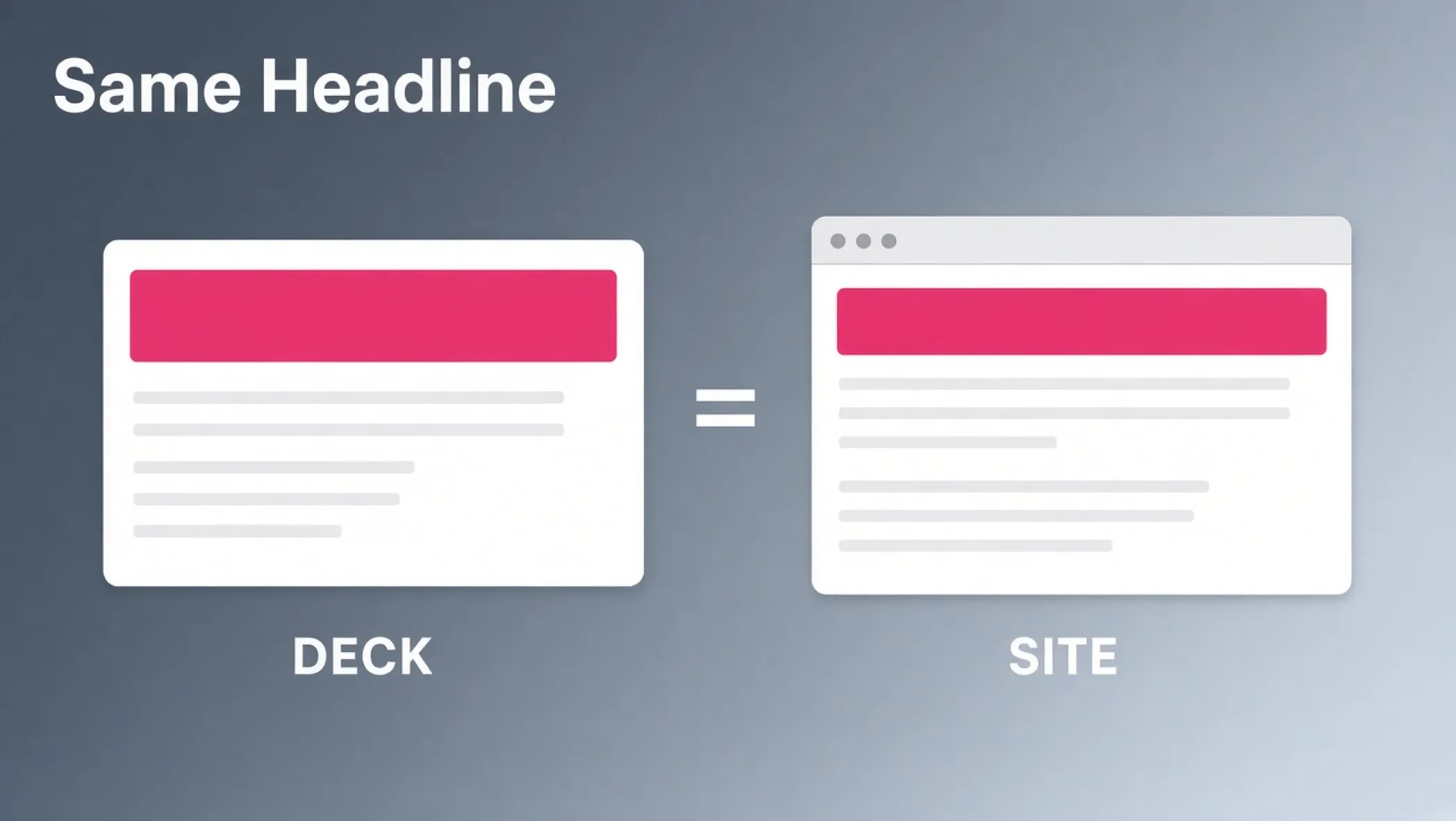
A buyer reads your site, then sits through your deck, and hears a different company. Audit the two side by side with five labels (match, drift, gap, orphan, conflict) and one message sheet both must follow.

Buyers compare you to something whether you publish the page or not. Write one that names real alternatives, sources every cell, includes a row where you lose, and has an owner and a review date.

A closed answer belongs in a lookup. Documents a rule cannot list belong in retrieval, and you accept the vector and misinformation risks. An agent is only for tool choice, and then excessive agency is the limit.

Classify every file before it becomes a vector. Secrets, other parties contracts, and personal data you have no basis to pull into a prompt stay out. Permission-aware stores are the control, not a prompt line.
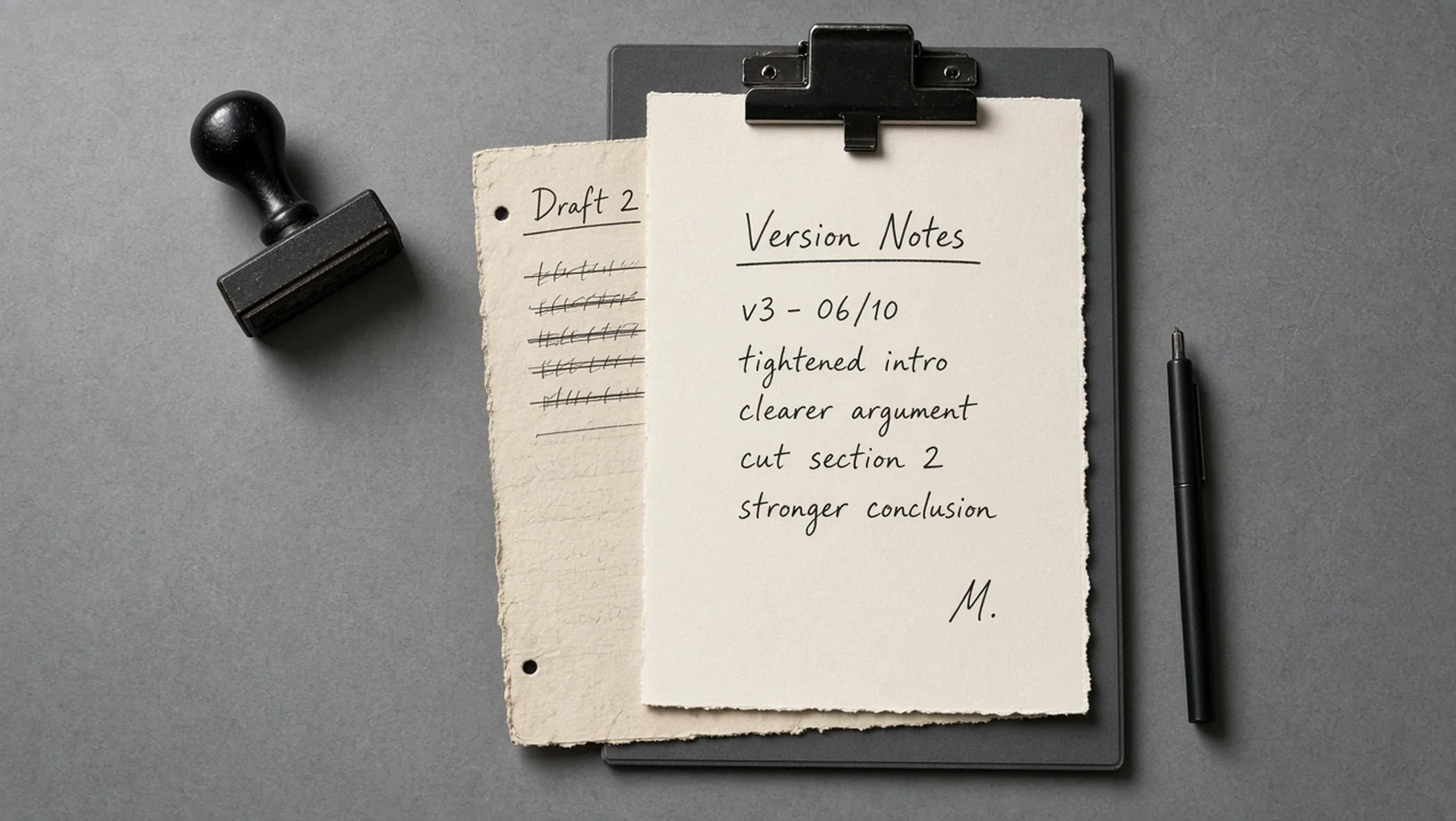
One editor, a version note, a description of what changed, the previous prompt text kept for rollback, and a freeze while an incident is open. Evaluation stays a separate job.

Stop tuning when review time eats the minutes you saved, the same schema failure keeps returning, the only person who understood it has left, the blast radius now includes send, pay, or delete, or the owner cannot explain the last change.

A red field report is an ownership problem before it is a tuning problem. Use Chrome User Experience Report and Search Console as the scoreboard, lab tools as the debugger, and assign Largest Contentful Paint, Interaction to Next Paint, and Cumulative Layout Shift to design, content, and engineering.

Every chat pane, tag, and embed is a yes or a no before the first click. Inventory them, decide what may run before the first interaction, and use the Interaction to Next Paint article for the parts of a slow tap. Do not guess a vendor’s milliseconds.

A public staging host is a second site. Keep it off Google with a password or with noindex that the crawler can actually see, on a hostname you do not submit. Strip that block before production. DNS cutover stays in the migration runbook.

If the homepage is one HTML blob, every editor can ship a different website. Lock layout, type scale, and the single primary action. Let editors change the headline, the proof, and an image that has alt text.

This is the indexation job when the URLs change: permanent redirects, self-referencing canonicals, sitemaps, and what to watch in Search Console. The DNS cutover runbook is the other article.

The Generative AI performance report counts impressions in AI Overviews and AI Mode. It is not a citation rank tracker. Read the chart and the table without inventing clicks, and keep the rest of SEO measurement on the leads page.

HTTP and HTTPS, www and the bare host, a trailing slash, a campaign parameter. Pick the URL Google should keep, and line up redirects, rel=canonical, and the sitemap so they do not argue.

Using a model to help write a page is not the violation. Many pages whose primary purpose is ranking manipulation, with little or no value to a person, are. Decide before you publish the pile.

You are about to add a second offer or a second audience. Decide whether one name carries it, the parent stays visible beside a new name, or the offer stands alone.

An 80-page PDF can be finished and still lose to the next deck. People open one page of rules, a file that lives where they work, a picture of the wrong use, and a named owner.

The buyer has to say the name, repeat the job it does, and still know it is your company. A clever word that sounds like a second firm fails the third test.
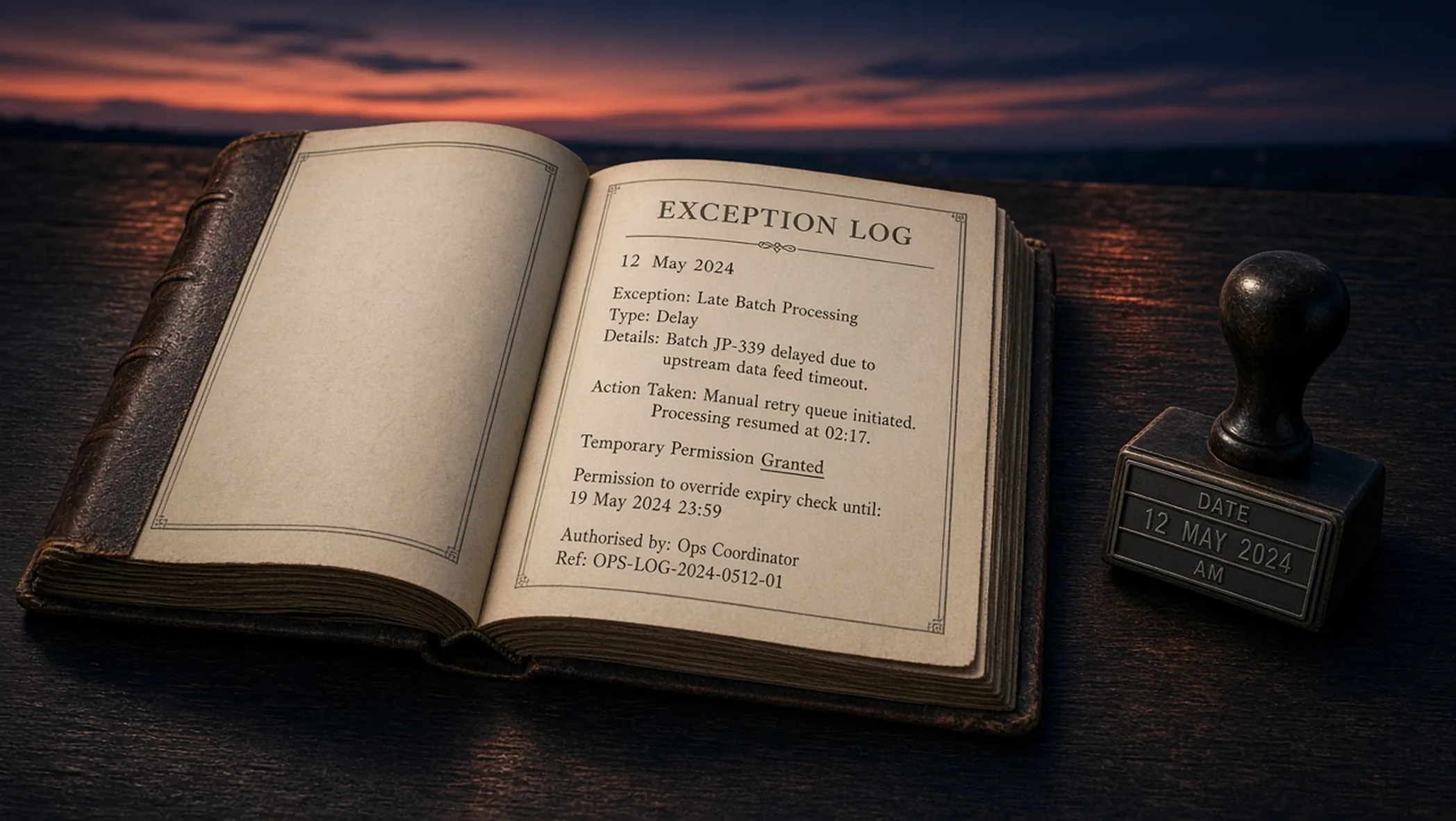
Someone will ask to break the system for one deck or one ad. Without a reason, a surface, an expiry, and a person who removes it, "just this once" becomes the second brand.

You do not have a market rate until you have a floor and a fence. The floor is delivery time, review time, and tools you already pay for. The fence is in, out, and what triggers a new price.

Week 0, before the sprint. Write the last 30 days of qualified conversations, proposals, yes or no if you know, reply time, and open slots. If you do not know, write UNKNOWN. Do not backfill.

If the next qualified conversation has no owner and no slot, another channel makes a worse pipeline. A slot is a conversation you can answer inside the reply window you already promised.

After a yes and after a no, write what the buyer said, the page they mentioned if they mentioned one, and who decided. A single no is not a positioning failure. A single yes is not a channel. Fifteen minutes.

Count baseline minutes, volume, rework, review, model cost, and platform cost for one loop. Payback is a date. Hoped hours are not a business case.

A practical baseline for a brochure or lead-gen site: what you own, who can touch it, where secrets live, how forms fail, and a restore you have actually run.

Crawl, render, index. If curl cannot see the article, rankings are not the job. A repeatable pass for raw HTML, status codes, soft 404s, and Search Console parity.
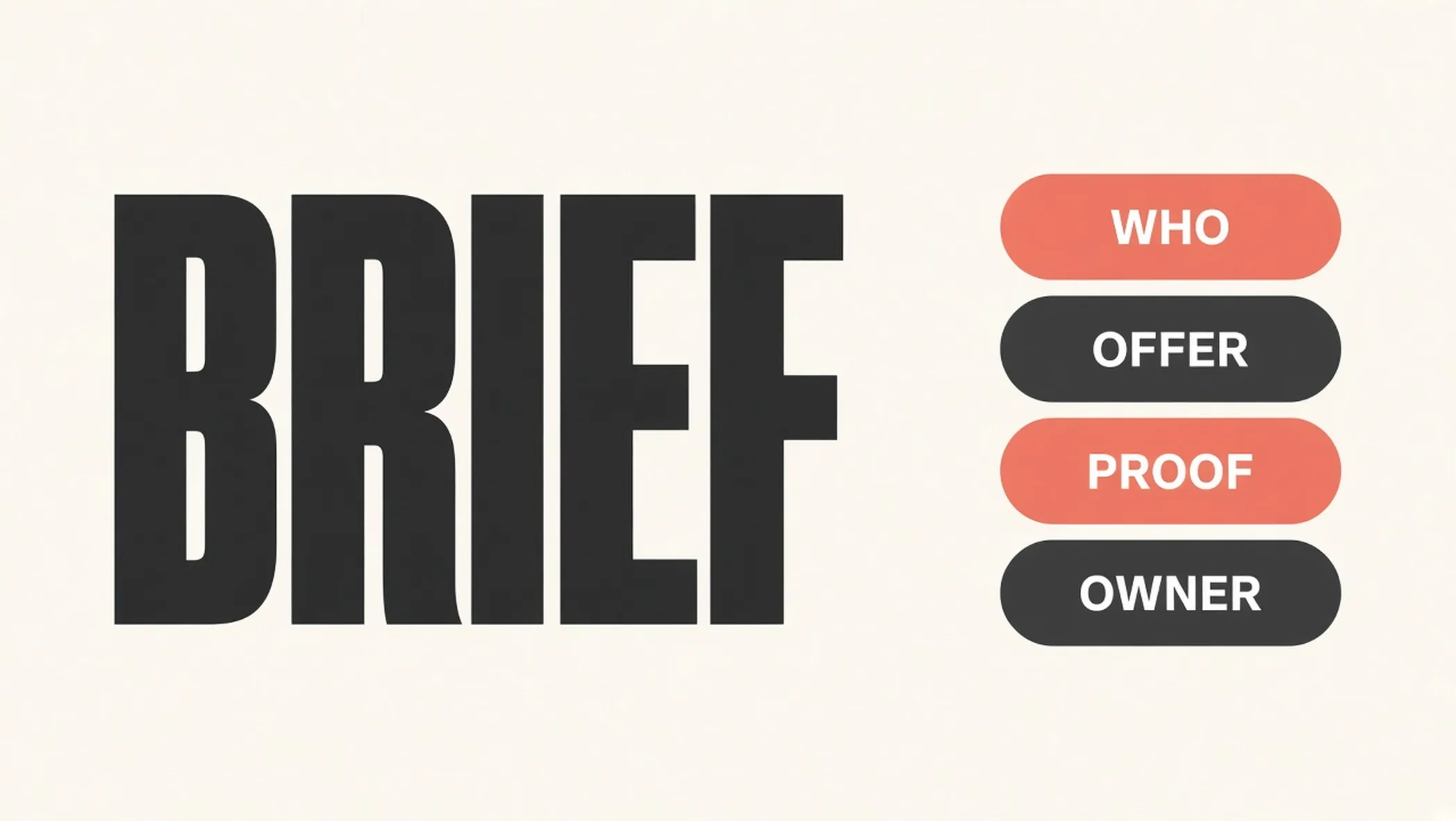
Who, job, offer, proof, constraints, channels, success, and one approver. A brief is a decision document. A moodboard is not.

Qualify, discovery, fit or no-fit, a dated proposal, follow-up, then close the loop. Marketing that fills a calendar you do not run is a leak, not a win.
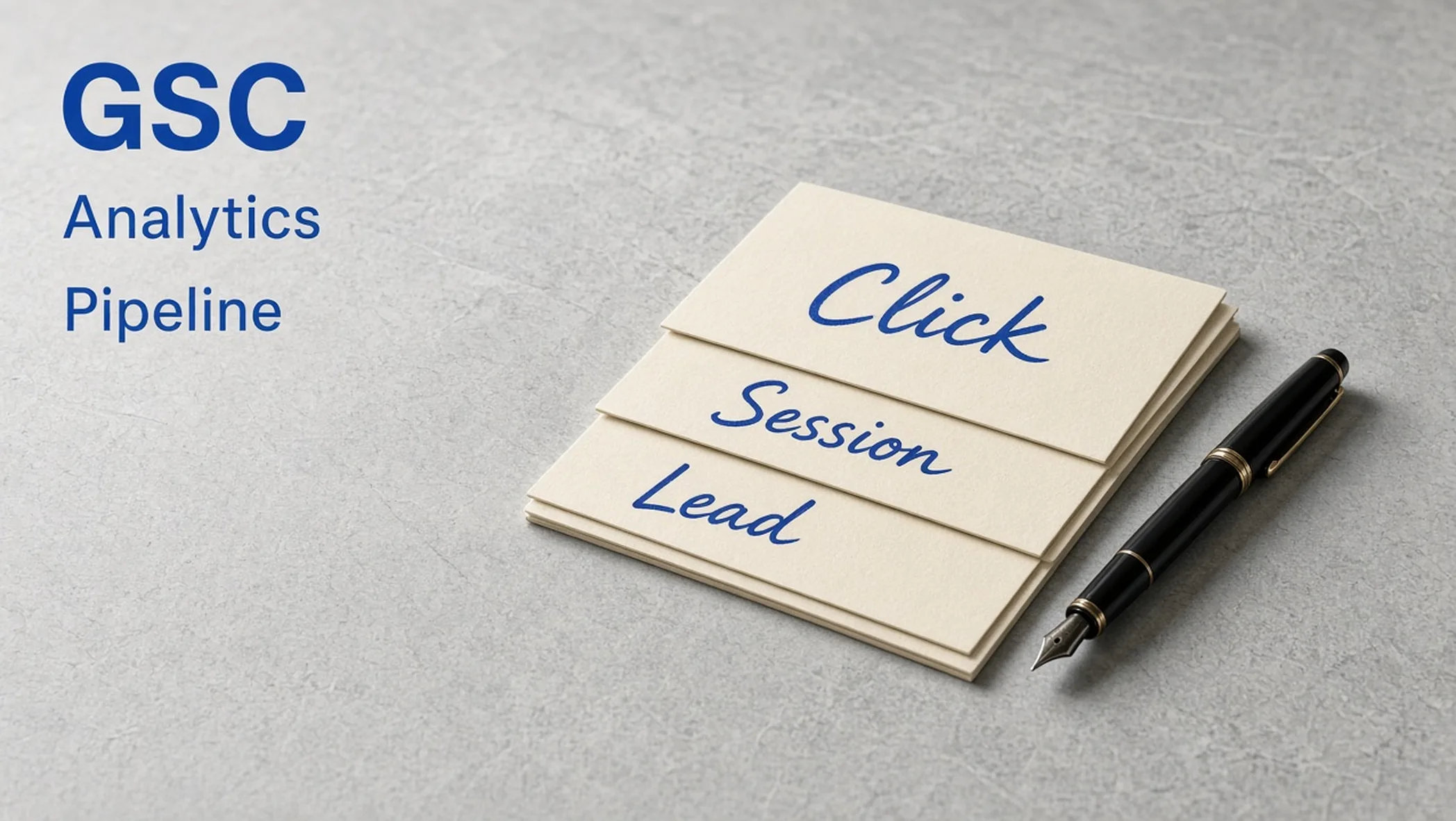
Average position is a diagnostic, not a scoreboard. How to read impressions and clicks in Google Search Console, compare them to Analytics sessions without forcing a match, and count qualified inquiries instead of pretending a rank caused revenue.
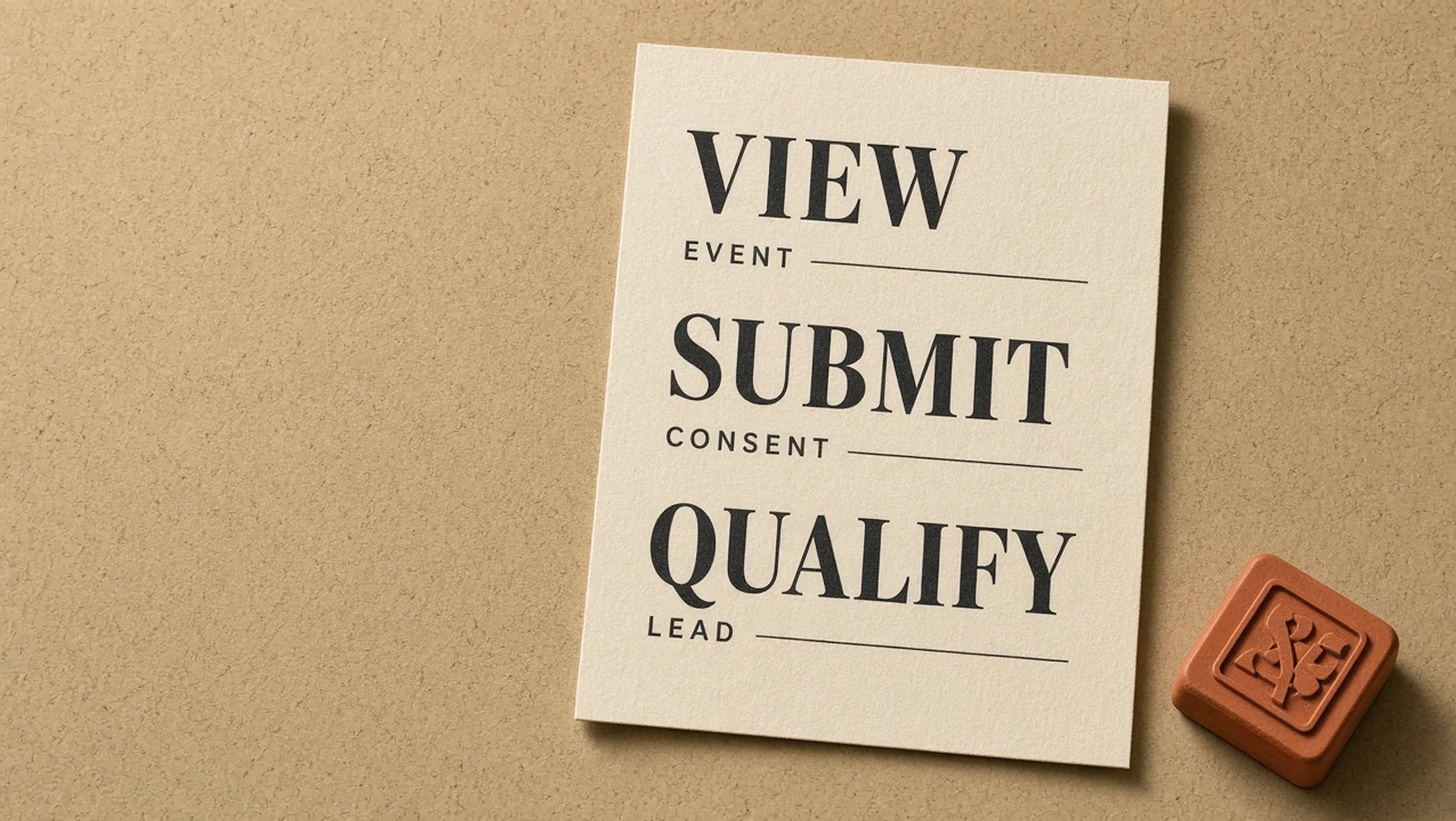
A form fire is not a commercially useful lead. Name the events from call-to-action view through qualified inquiry, wire Google’s recommended generate_lead, and set consent defaults before you trust the graph.

A demo that looks clever is not a production job. Build a golden set, pin the output to a JSON Schema, decide who may approve a write, and refuse to ship if you cannot fail closed.

A new logo is not a strategy. Use the brand audit, then decide whether you need a refresh (same promise, tighter system) or a rebrand (new who, new offer, or a name that no longer tells the truth).
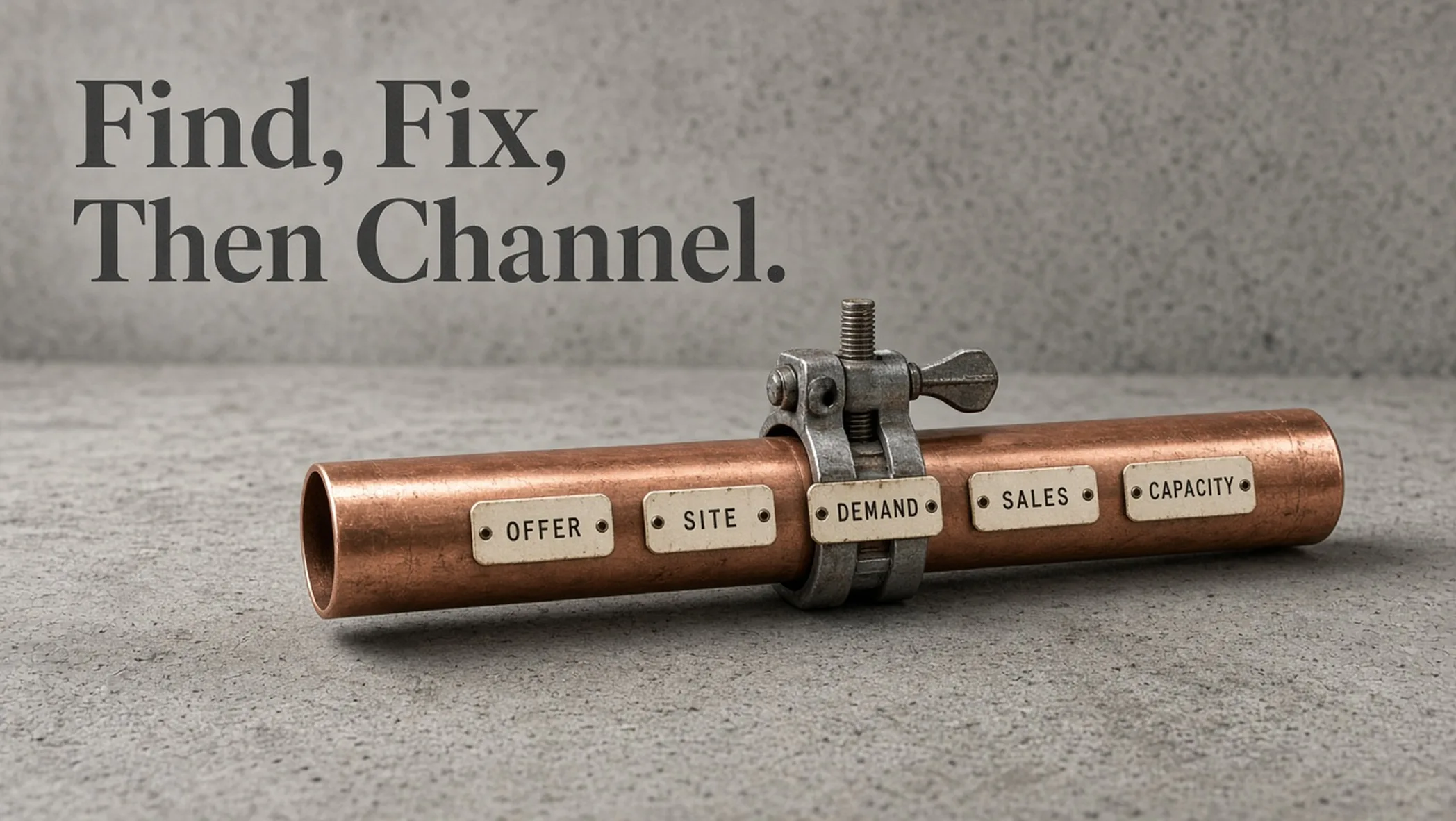
Ads, SEO, and a new site all fail if you diagnose the wrong constraint. Use the scorecard, then pick the bottleneck: offer, site, demand, sales, or capacity. Only then choose a channel.

Pick the content management system (CMS) from who may publish, what must be reviewed, and how the site will live for five years. Stack taste comes after those rules, not before.

A workflow without traces is a rumor. Keep logs you can search, alerts that page a human, and a replay path that does not double-charge. OpenTelemetry names the three signals. n8n executions are the practical store.

A page without a brief usually restates what already ranks. How to map one query to one URL, prove search intent from the results page, and refuse to draft until you can name the information gain.
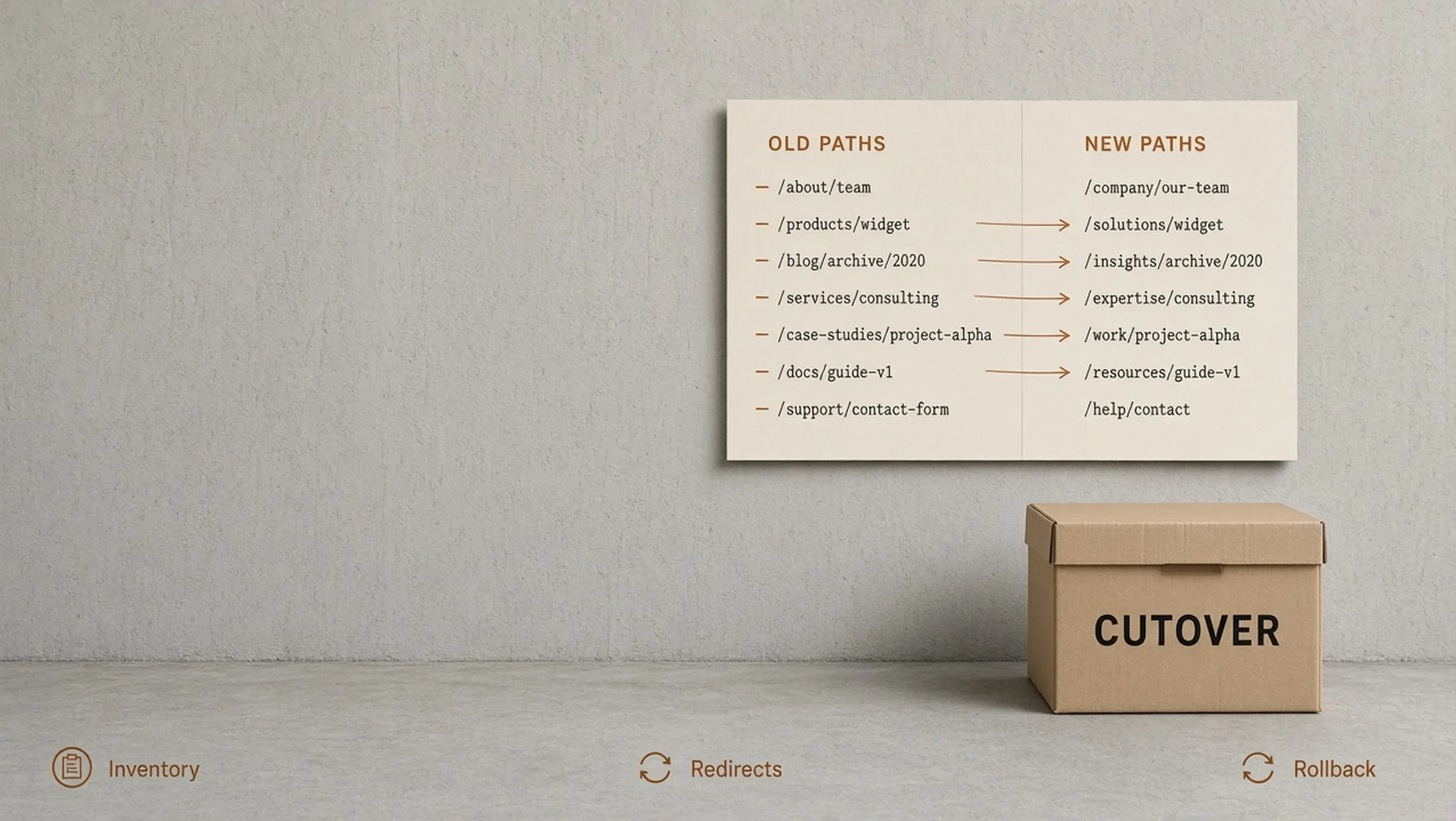
A redesign can hide every URL you already earned. Inventory, redirect map, staging rules, DNS cutover, rollback, and the 7/30-day checks that tell you whether search still sees the site.

Webhook spoofing, prompt injection, leaked secrets, over-privileged connectors, and replay attacks. A threat model you can run before an automation sends, writes, or pays.
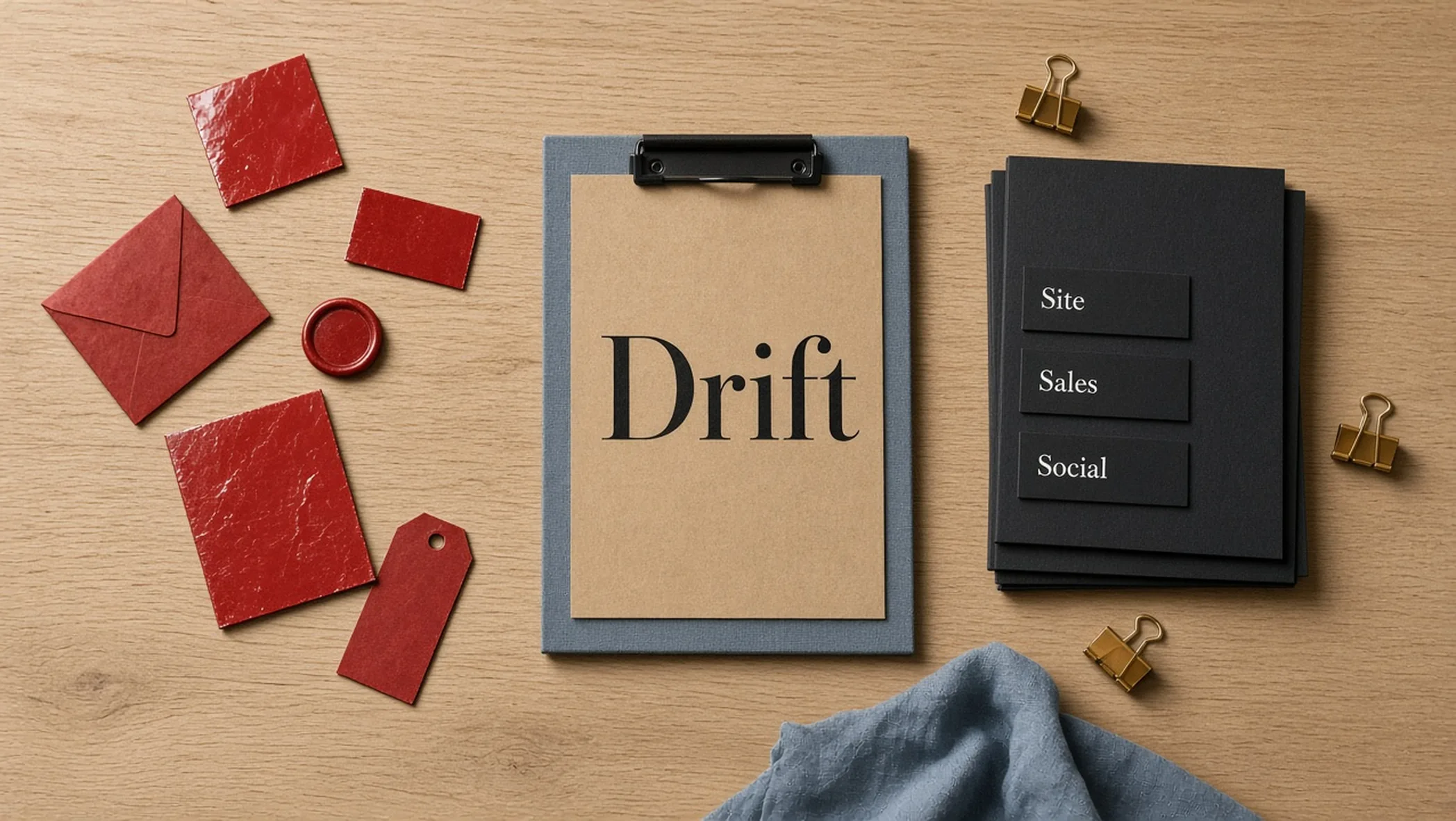
A logo file is not a brand. Walk the website, proposals, social, packaging, and sales decks with the same four scores: consistency, clarity, usability, and governance. Then decide whether you have drift or a real identity problem.

Traffic is a diagnostic. The scoreboard is qualified conversations, proposal rate, close rate, time to first reply, and delivery capacity. How to define them, where to get them, and how not to fake a good week.

A customer texts at 10:30 p.m. The agent replies in chat or a voice note, qualifies the project, and never invents a price. How we wired that on ElevenLabs plus the WhatsApp Business Application Programming Interface (API), then embedded the same agent on the website as a Need help widget.

Get a folder of HTML, CSS, and JavaScript live on Cloudflare: Workers static assets, wrangler.jsonc, the first deploy, then the real website URL. What workers.dev is for, and what to skip if there is no PHP origin.

A scored catalog for AI-based business automation: volume, unstructured input, and the cost of a wrong send. Which loops get a model, which stay rules, and which stay human. First-party examples from intake we actually run.

Google priced Gemini 3.8 Flash like a workhorse. On agent jobs it still thinks first, talks a lot, and can wait more than a second before the first token. Here is how we would wire it, and when we would not.

You do not need a 40-channel plan. You need one offer, one site that can close it, and 90 days of boring, measurable work. Here is the sprint we run on ourselves and on client studios.

The articles were 2,000 words. Curl returned a title, one sentence, and a chat widget. AdSense called that low value. Here is the exact failure on simeoncreatives.com and the build that ships the real body in the first HTML.

Coverage and performance graphs will lie if the first HTML is empty. How we inspect simeoncreatives.com in Google Search Console: raw HTML, rendered HTML, canonicals, sitemap, and noindex Markdown twins.

A large language model (LLM) can draft. It should not silently email a client or write to production. How we park risky steps in a review queue, retry the boring ones, and kill a run that is looping.

How we keep HTML on the edge and put images plus Lottie files in Cloudflare R2: public CDN URL versus the S3 upload API, the four local secrets, curl and a sync script, Cross-Origin Resource Sharing (CORS), and when the free tier actually ends.

Put a static marketing site on Cloudflare in order: zone and proxy, Universal SSL, Pages or Workers static assets, the real domain, then _redirects and _headers. What to skip if the site is only HTML, CSS, and JavaScript.

cPanel webmail sent and received fine. Outlook refused to connect with the same password, port 993, and SSL. The mail hostname was proxied through Cloudflare. DNS only fixed it.

A first-party look at our own studio stack: Cloudflare-hosted knowledge center, Search Console demand on topics we actually ship, and a contact path that logs every brief. No invented revenue percentages.

Automating a messy intake process just creates faster mess. How to write standard operating procedures (SOPs) for leads, delivery, and publishing, then automate only the steps that are already boring and correct.

Acquisition stalls when the site, search pages, and outbound each invent a different promise. A practical way to lock one offer, route every channel to it, and measure pipeline instead of isolated traffic.

How we built Teirrah Elegance a two-colour identity, a two-font type system, and a file set that holds on shopping bags, hang tags, garment labels, and social, without a different version of the brand showing up in each channel.

Brand PDFs do not ship buttons. A four-layer design system turns tokens into atoms, molecules, and page templates, with a production component contract, Figma-to-code governance, and a 30-day sprint you can actually run.

Stop treating voice as three adjectives. A practical framework for persistent voice versus contextual tone, a four-dimension matrix, before-and-after copy across landing pages, interface microcopy, and technical articles, plus how to enforce it in reviews.

Replace static PDF brand books with a token-driven visual identity: primitive vs semantic color, fluid type scales, WCAG contrast rules, and Style Dictionary exports that keep Figma and production code in sync.

When features converge, price wars follow. A practical four-pillar brand positioning framework: category, target, enemy, and proprietary mechanism, plus how to land it in heroes, case studies, and sales.

How migrating off a slow monolithic setup onto an edge-delivered hub-and-spoke architecture improved crawl efficiency, Core Web Vitals, and organic impressions, with a playbook you can reuse.

A lean SEO stack for growing teams: Search Console, a real crawler, keyword research, Core Web Vitals, and generative-search checks, without burning budget on unused enterprise seats.

A technical SEO blueprint for large catalogs: facet crawl control, canonicals, Product schema, category architecture, edge-rendered PDPs, and index hygiene that protects crawl budget.

A multi-layer local SEO system for service businesses: Google Business Profile (GBP), LocalBusiness schema, name/address/phone (NAP) consistency, review velocity, and regional landing pages that add real information gain.

A practical maintenance blueprint for modern sites: dependency and edge security, backups, synthetic form/API checks, Core Web Vitals monitoring, and zero-downtime deploys on Cloudflare.

A practical WCAG 2.2 guide for product teams: POUR principles, contrast and target-size rules, keyboard and screen-reader testing, and why accessibility improves UX and search clarity.

How information gain shapes modern rankings: why rehashed AI copy underperforms, what original evidence looks like in practice, and a framework teams can use to publish work worth citing.

How we build sites for classic SEO and AI answers: crawlable HTML, semantic structure, JavaScript Object Notation for Linked Data (JSON-LD), robots and sitemaps, plus the edge patterns we use on client builds and on simeoncreatives.com.

How we build fast, spam-resistant lead forms with Supabase PostgreSQL, Cloudflare edge validation, RLS, and async n8n automation, without bloated content management system (CMS) plugins.

Compare monolithic content management system (CMS) stacks (WordPress, Drupal, Magento) with a serverless edge stack (Next.js, Cloudflare Pages, headless APIs). See Time to First Byte (TTFB), Core Web Vitals, security, and real hosting cost differences.

Design and development are not the same job. Learn the differences, how they work together, Core Web Vitals impact, and how we run website projects at Simeon Creatives.

A step-by-step website planning framework: goals, personas, information architecture (IA), content-first copy, SEO, UX, CRO, stack choice, performance, AI, and a pre-launch checklist.
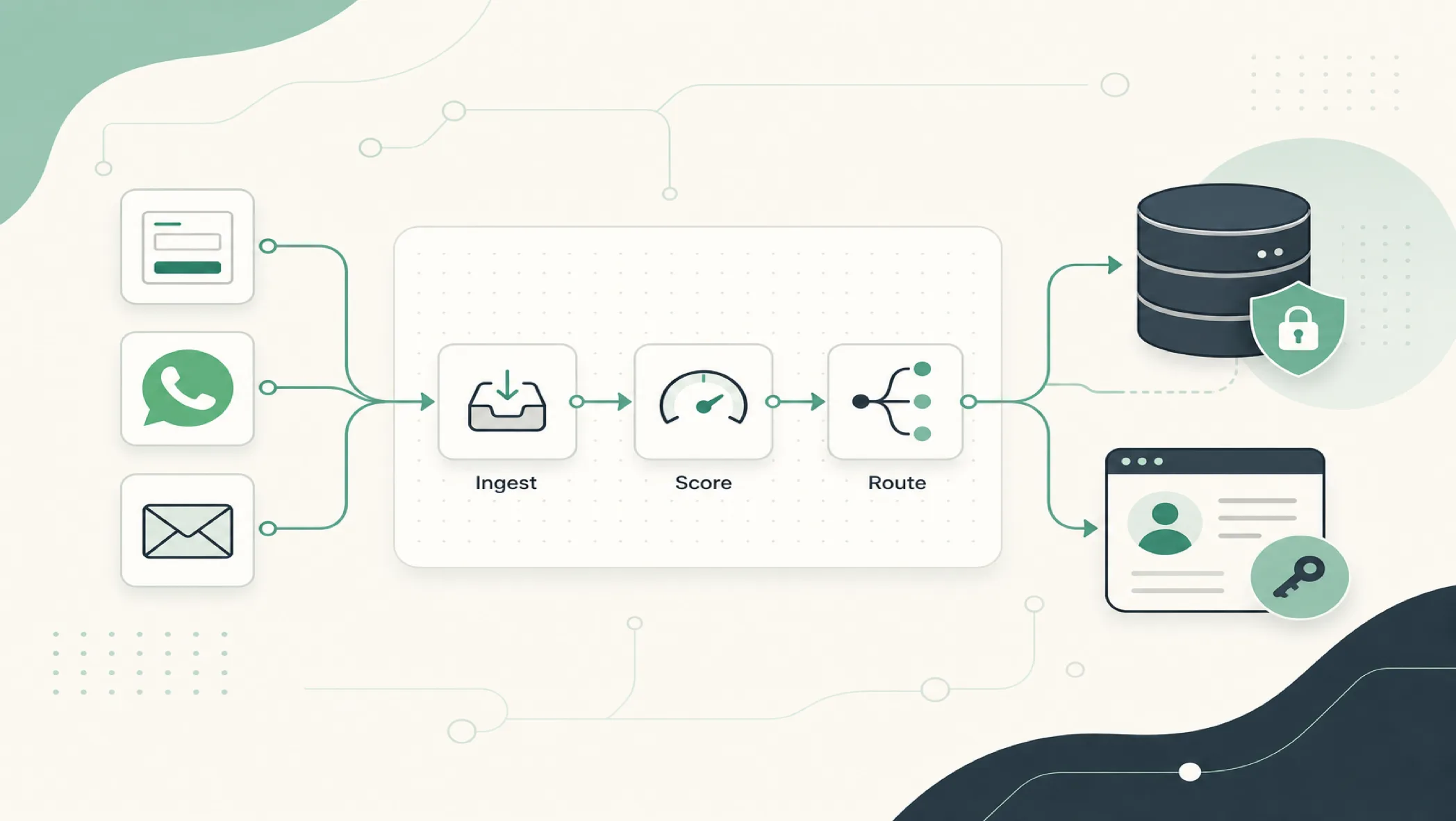
How we replaced manual multi-channel lead triage with a self-hosted n8n + Supabase pipeline: sub-minute routing, schema-safe storage, automated onboarding, and a dead-letter queue under $80/month.
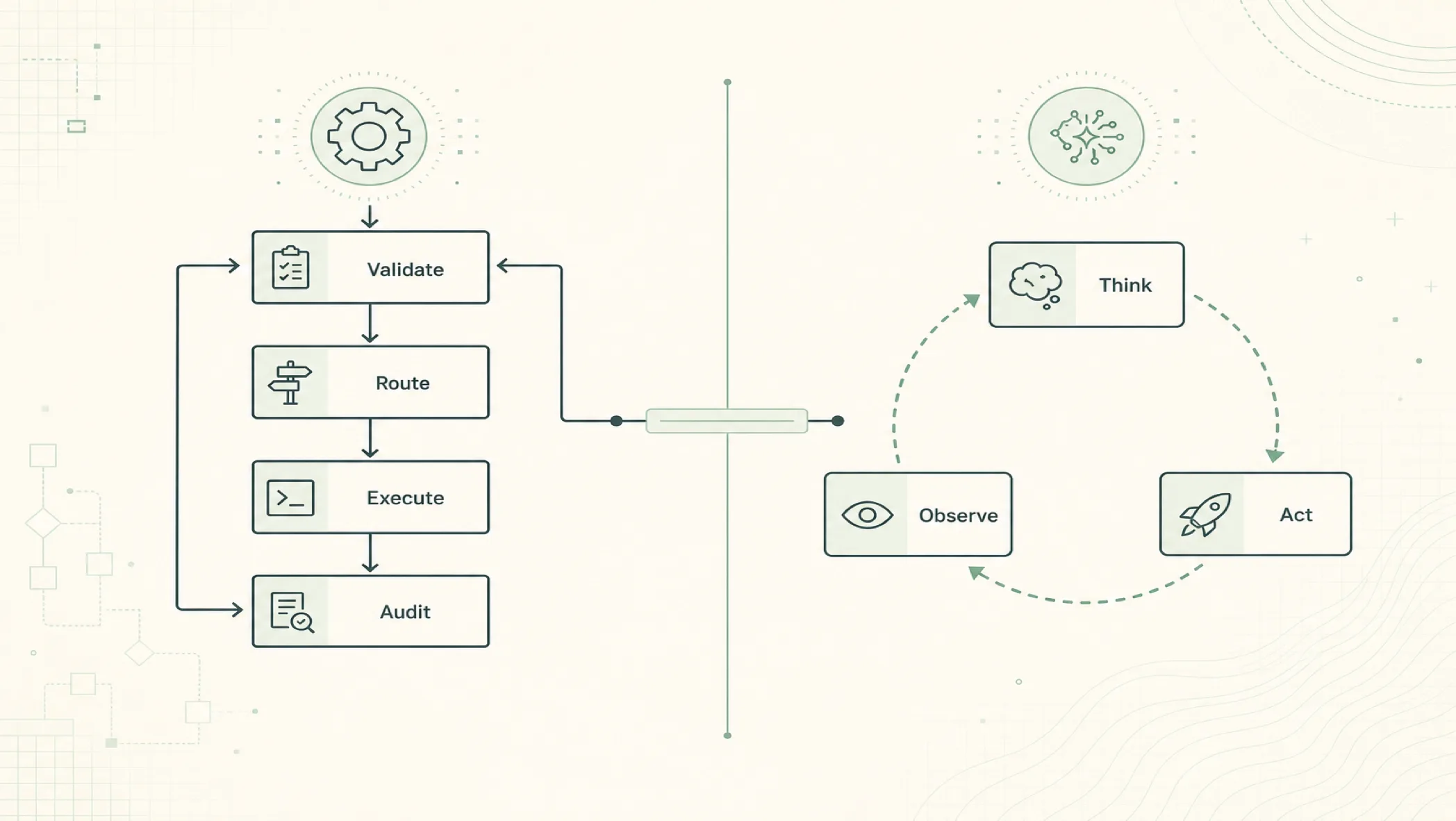
A practical architecture guide to deterministic workflows vs large language model (LLM) agents: when to use rule-based pipelines, when probabilistic agents win, and how hybrid systems ship safely in production.

A practical roadmap to audit ops, map workflows, pick Zapier, Make, or n8n, add AI with human review, test safely, and measure ROI without boiling the ocean.

A practical growth cornerstone: strategy and brand foundations, websites as assets, SEO and Generative Engine Optimization (GEO), acquisition, retention economics, operations and AI systems, myths, and a 90-day roadmap.

A practical beginner's guide to technical SEO: crawlability, indexing, Core Web Vitals, sitemaps, robots.txt, canonicals, and a checklist you can run without being a developer.

A practical SEO cornerstone: how search works, technical and on-page pillars, content clusters, E-E-A-T, measurement, myths, ROI, and a step-by-step framework for sustainable organic growth.

A plain-English intro to SEO for founders and business owners: how search works, why organic visibility beats renting traffic forever, the main types of SEO, myths to ignore, and how to start.
A clear intro to AI business process automation: how it differs from robotic process automation (RPA) and workflows, where it fits by department, what not to automate, and how to pick your first process.

A practical comparison of n8n, Zapier, and Make on features, pricing, security, and real workflows, plus a decision flowchart to pick the right automation stack for your team.
A practical cornerstone on AI business automation: platforms, architectures, ROI, security, implementation roadmaps, and real workflows that combine robotic process automation (RPA) with large language models (LLMs) and retrieval-augmented generation (RAG).

Discover how to design B2B websites that convert high-intent buyers without relying on aggressive, high-pressure sales tactics.

A practical look at our brand discovery workshop: the questions we ask, what we leave with, and why the first session decides whether the logo work will actually stick.
We help brands look sharper and sites work harder. Tell us what you are building.
Start a conversation